


Hospital Sliding Door
What Is Hospital Sliding Door
Hospital sliding doors have been specifically designed for use in areas where hygiene and the control of air leakage are critical like hospitals, pharmacy factories, micro-electronic factories, and food factories. The door could move in one way or two ways. Hospital sliding doors require less valuable space and produce less air disturbance when in operation that makes them ideal to save energy.
Advantages of Hospital Sliding Door
Enhanced barrier protection
Sliding hospital doors serve as an essential barrier between isolation rooms and the surrounding areas within a healthcare facility. Their sturdy construction and airtight sealing prevent the escape of pathogens, such as bacteria and viruses, into the general environment. Moreover, the smooth, seamless closure of sliding doors ensures that there are no gaps or cracks for infectious agents to pass through. This robust barrier protection minimizes the risk of cross-contamination and transmission of diseases.
Easy cleaning and maintenance
Maintaining a clean and sanitized environment is paramount in isolation rooms. Sliding hospital doors offer a practical advantage in this regard, as they are designed for easy cleaning and maintenance. The smooth surface and absence of intricate mechanisms make it effortless to wipe down the doors, removing any potential sources of contamination. Additionally, the materials used in manufacturing sliding hospital doors are often resistant to harsh chemicals, allowing for thorough disinfection without compromising their integrity.
Efficient patient management
Patient management is a crucial component of infection control in isolation rooms. Sliding hospital doors provide effective control and monitoring of patient access. The ability to slide the doors open and closed enables medical staff to maintain a safe distance from the patient while minimizing the risk of contamination. Furthermore, sliding doors can be equipped with window panels, facilitating visual observation and communication, without compromising the isolation area's sterility.
Optimized workflow and accessibility
In busy hospital settings, time is of the essence, and the efficient flow of staff and patients is vital. Sliding hospital doors aid in optimizing workflow by facilitating swift and smooth entry and exit to isolation rooms. The wide opening created when sliding doors retract allows for easy passage, accommodating the movement of medical professionals, medical equipment, and stretchers. This feature not only enhances accessibility but also ensures that the doors do not become a potential hindrance in case of emergencies.


Why Choose Us
Our factory
Established in Longgang, Shenzhen Special Economic Zone in 2008. Unique geographical environment; Convenient transportation, complete supply chain. After years of unremitting efforts, the company has become a national level high-tech enterprise that integrates research and development, production, and sales. More than 30 technical research and development personnel, with over 300 employees. With a factory building of 20000 square meters.
Our certificate
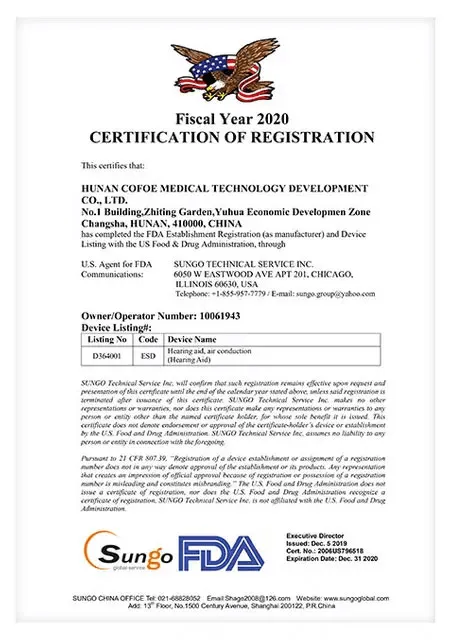
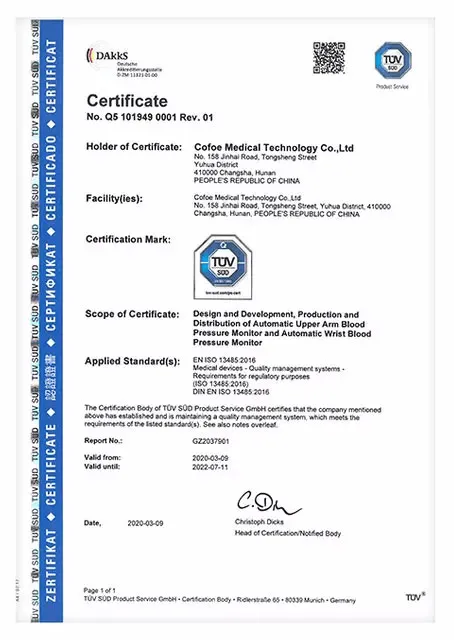
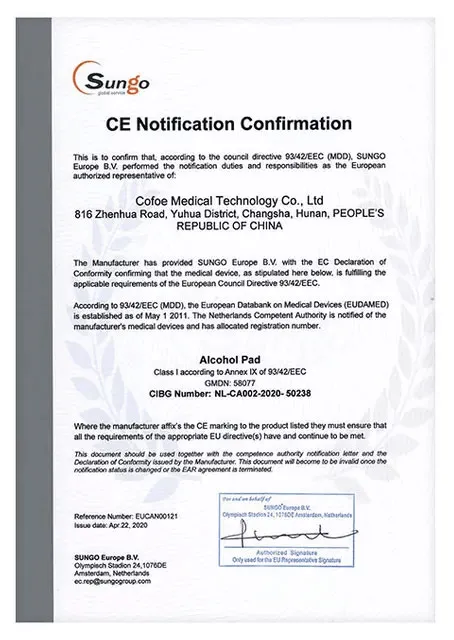
There are 4 global invention patents and over 20 computer software copyrights. We have passed the ISO9001 quality system certification and the National Military Standard Quality Management System 9001c certification.
Our service
Controlling product production and market, timely communicating with customers in case of after-sales issues, and providing solutions. Focus on strategy and target positioning to target specific consumer areas and provide unique needs for the product.
Our product
We have high speed door, overhead sectional door, rolling door, hospital door, folding door and so on.
General hospitals
Healthcare staff transporting patients from surgery to the recovery ward, or from one hospital department to another, will find automatic doors extremely helpful. Sliding or bi-parting doors are often used in these areas to make it easier to transport patients on a hospital bed, while swing and revolving doors can be used in lobbies.
Care homes
Residents of care homes often have mobility issues that make it difficult for them to open traditional doors. Automatic doors can provide residents with the independence they need to move around the facility and help to prevent falls.
ICU departments
Intensive care units are another area where hospital sliding doors can be very beneficial. Sliding or bi-parting doors are often used to provide fast and easy access to vulnerable patients.
Birth centres and maternity hospitals
New parents often have their hands full with a baby. So automatic doors can make life much easier for them when they are coming and going from the hospital. Most birth centres and maternity hospitals use push-button operated doors. As they are the most convenient for parents who are navigating exits while pushing a pram or holding a car seat.
GP surgeries
Hospital sliding doors can also be found in many GP surgery centres. They provide a convenient way for patients to enter and exit the building and help to prevent the spread of infection by minimising the number of surfaces that are touched.
Dental clinics
Cross-contamination and hygiene control are a concern for many dental clinics. Hospital sliding doors can play a key role in keeping patients safe by eliminating patient contact points. They also add a professional and modern touch to the reception area.
Things To Consider When Choosing a Hospital Sliding Door


Weight and durability
Before investing in a hospital sliding door, the weight of the door is one of the most important considerations, because people usually pass through these doors very often, and the way they open and close will vary. The door you choose should open quickly and be durable enough to withstand repeated shocks. In most cases, nurses or hospital staff use their shoulders, heels, or back to push the bed, wheelchair, and trolley backwards through these doors to push the doors open. The most important consideration here is that the door must stand out in terms of ease of use and durability.
Functional efficiency
Hospital decisions can be as fast as lightning. In many cases, reaction time may be a matter of life and death. Therefore, the design of the hospital sliding door must have the best speed and efficiency while maintaining its durability and hygiene. The speed of a swing door usually depends on its weight, the resistance provided by the swing buffer and bearings. For example, the lighter the weight, the faster the door opens.
Material
Another key consideration is the material of the hospital sliding door. With new technology doors, many surface material choices include veneer and paint. In addition, laminated doors are the latest trend in hospitals and healthcare facilities that are ready to be installed at any time. Doors with radiation shielding and sound insulation properties are also necessary. They are ideal choices for architects and designers in the medical field.
Hygiene
Hygiene is a factor that must be considered when choosing a hospital sliding door. This is due to the simple fact that everything in a hospital is related to health and hygiene, and it is one of the most important aspects that determine the reputation and credibility of a hospital. You need an easy-to-clean door with antibacterial properties to avoid further spreading any infections.
How to Reduce Surface Contamination with Hospital Sliding Door
Hospital entrance doors play a pivotal role in maintaining the hygiene and safety of healthcare environments. As the primary gateway where countless individuals from medical staff to patients and visitors pass through daily, hospital sliding doors are not merely physical barriers but are instrumental in controlling the spread of contaminants. Indeed, infectious diseases have always been around, with some of them surging seasonally as in the case of poliomyelitis, measles and flu. However, the high mortality rate attributed to the new coronavirus has forced health experts and scientists to reassess how we have been living with various microbes in our surroundings.
In healthcare settings where the possibility of disease transmission is high, hospital and clinical personnel follow strict protocols to minimise the spread of infection. These measures include following prescribed assessment and treatment procedures, the proper disposal of medical waste, restricting certain sections to authorised personnel, requiring the use of PPEs, and the regular disinfection of instruments, machines and other hospital appliances. Aside from the importance of protecting patients and processes in managing hygiene and reducing intra-hospital disease transmissions, there are also engineering controls in place to control infection. One of the key aspects of engineered control mechanisms that promote safety in medical centres is healthcare doors. Since healthcare doors function as entrance and exit points, they are considered high-touch areas where disease-causing germs can stay alive for hours or days.
The role of contaminated surfaces in disease transmission. A study revealed that intra-hospital disease transmissions occur when infected patients’ bacteria or viruses end up on surfaces. When uninfected people touch these surfaces, they can get sick themselves or spread the germs to others who are more susceptible to infection. For example, earlier studies showed it can survive for five days on glass and metal surfaces such as jewellery, door hardware and silverware, four days on wooden surfaces, and two to three days on various plastic laminate products.
Since hospital sliding doors (and commercial automatic doors in general) are usually made of metal and glass, hospital sliding door manufacturers are now offering medical establishments a chance to reduce surface contamination by using automated hospital entrance doors whether it’ s by retrofitting public entrances or installing new corridor doors, toilet doors or any type of hospital sliding door for the healthcare facility. To address concerns regarding disease transmission, establishments in Perth and the rest of Western Australia are adopting touchless automatic door technology. This technology enables people to utilise access points without the need to touch shared surfaces that can get contaminated with bacteria, viruses and other types of germs. Referred to as ‘fomites’ in medical terminology, inanimate objects that can facilitate disease transmission in hospital settings include the door frame, push plates, door handles, doorknobs, keypads, buttons and intercoms. Aside from improving hygiene by eliminating the need to touch a door or knob, touchless automatic doors also provide other benefits, such as:
The automated mechanism of automatic sliding doors ensures the rapid opening and closing of entryways. This helps to maintain a room’ s ideal temperature and improves insulation. Depending on the model you choose, hospital sliding doors become seamless entry and exit points, as all you need to do is wave your hand or arm to open them. Installing door sensor technology effectively eliminates creaking sounds that are produced when opening and closing conventional doors.The hygiene component of touchless doors, such as revolving doors, is enhanced as airtight seals that work as barriers against different airborne debris, allergens, pollution and odours.
Sensors
Walk to the hospital sliding door at a moderate pace. Check that the hospital sliding door opens when you are a few feet away and that it slides smoothly and stops without impact. Generally, the sensor should activate the hospital sliding door from no further than five feet away and no closer than 43″ from the hospital sliding door. After stepping out of the sensor area the hospital sliding door should remain open for at least 1.5 seconds.
Closing rate
Remain directly between the hospital sliding doors to check that hospital sliding doors stay open. The hospital sliding door should open fully if closed, if open it should remain open for at least 1.5 seconds after you move your hand. The hospital sliding door should be adjusted to close at a rate of no faster than one foot per second. The hospital sliding doors closing speed should become noticeably slower at least two feet before fully closing.
Hospital sliding door Hardware
Check if the mat (If present) and threshold are secure, check all hospital sliding door panels for broken or cracked glass and make sure an ‘emergency push open’ sign, as well as a ‘caution automatic hospital sliding door’ sign are properly displayed.
Mats
Step on the opening mat. The hospital sliding door should swing open smoothly without getting caught or being impacted by the mat. A mat should be nearly as wide as the hospital sliding door opening allowing for five inches of room on either side. After stepping off the mat the hospital sliding door should take at least 1.5 seconds before it begins to close. Walk test the mats by standing in several areas.
Clearance
The hospital sliding door area should be free from merchandise displays or other attractions where people could be hit by the hospital sliding door.
Keep up with the weather
Keep on top of inclement weather and any issues it may cause. Be sure the floor guides are kept cleaned and free of any debris that could prevent the hospital sliding door from sliding. Exposure to UV rays, freezing rain, snow, and ice, can cause mats to become brittle, have contact problems, and fall apart. If this occurs the automatic hospital sliding door will either fail to open, fail to remain open, or react erratically when stepped upon. All of which can be a safety concern.
Please order through the hospital sliding door. Do not attempt to pass through the automatic sliding door when the door is closed or nearly closed. Do not overcrow the hospital sliding door when people are too many, break the door, or damage the hospital sliding door equipment and doors. Children under 1.2 meters in height, the elderly and disabled people need to pass the hospital sliding door with the help of the guardian, can avoid safety accidents. Please do not stay on the hospital sliding door for a long time. Do not place any obstacles near the port of the hospital sliding door. Protect the life of automatic sliding door brushless motor.
When the hospital sliding door is in the automatic sensor state, do not stay in the sensing area for a long time. People can manually push to the side of the hospital sliding door leaf when power is off. When the automatic sliding door is not working or in an emergency, please turn off the hospital sliding door power and manually open the hospital sliding door leaf. Please do not collide or hit the glass door leaf. Please put some eye-catching signs on the fixed and removable glass doors.

Established in Longgang, Shenzhen Special Economic Zone in 2008. Unique geographical environment; Convenient transportation, complete supply chain. After years of unremitting efforts, the company has become a national level high-tech enterprise that integrates research and development, production, and sales. People oriented, customer oriented, united, friendly, and common development. There are over 30 R&D personnel and over 300 employees. There are 4 global invention patents and over 20 computer software copyrights. We have passed the ISO9001 quality system certification and the National Military Standard Quality Management System 9001c certification. More than 30 technical research and development personnel, with over 300 employees. With a factory building of 20000 square meters.

certificates

FAQ
As one of the leading hospital sliding door manufacturers and suppliers in China, we warmly welcome you to wholesale hospital sliding door made in China here from our factory. All customized products are with high quality and competitive price.
hospital microbiology testing room door, hospital ultrasound room door, hospital operating room door