


Automatic Door Motor
What Is Automatic Door Motor
Automatic door motors work by using a motor-driven mechanism to open and close the door automatically. This type of door is typically equipped with sensors that detect the presence of a person or object and then activate the motor to open the door. Automatic door motor opens when the door controller receives an activation signal by the sensor and activate the gear motor to drive the belt and pulley. When no one is detected inside the activation area, the door starts closing after a designated period of time.
Advantages of Automatic Door Motor
Control the movement of sliding doors precision
The key features of automatic door motors is their ability to control the movement of sliding doors with precision and accuracy. They are equipped with sensors and advanced control systems that allow for smooth opening and closing of doors, preventing them from slamming shut or getting stuck. This ensures the safety of users, especially in crowded areas where accidents can occur.
Durability and reliability
Another important feature of automatic door motors is their durability and reliability. They are manufactured using high-quality materials and are built to withstand heavy usage and harsh weather conditions. This makes them suitable for installation in various settings, including commercial and residential buildings, hospitals, airports, and shopping malls, among others. By investing in a durable and reliable motor, building owners can ensure the longevity and functionality of their automatic sliding doors.
Convenience
In addition to their functional capabilities, automatic door motors also offer several convenience features. Many motors come with remote control capabilities, allowing users to easily open and close doors from a distance. This is particularly useful in situations where hands-free operations are required, for example, when entering or exiting a building with hands full of items. The remote control feature enables users to easily operate the sliding doors without the need for physical contact, providing a touchless and hygienic solution.
Energy-efficient
Furthermore, automatic door motors are designed to be energy-efficient. They are equipped with energy-saving mechanisms that reduce power consumption when doors are not in use or when the traffic flow is low. This not only helps to reduce energy costs but also contributes to environmental sustainability by minimizing the carbon footprint.


Why Choose Us
Our factory
Established in Longgang, Shenzhen Special Economic Zone in 2008. Unique geographical environment; Convenient transportation, complete supply chain. After years of unremitting efforts, the company has become a national level high-tech enterprise that integrates research and development, production, and sales. More than 30 technical research and development personnel, with over 300 employees. With a factory building of 20000 square meters.
Our certificate
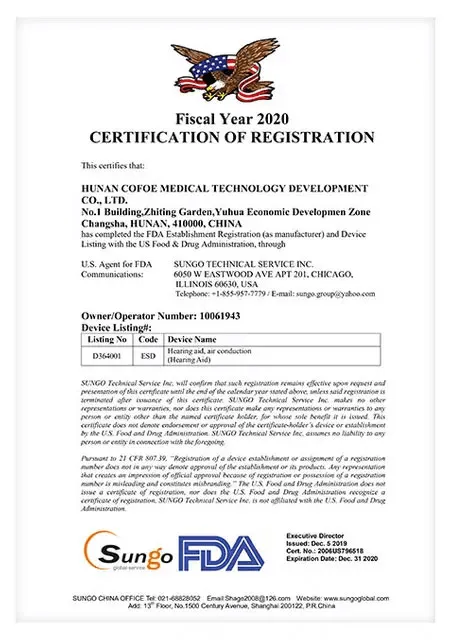
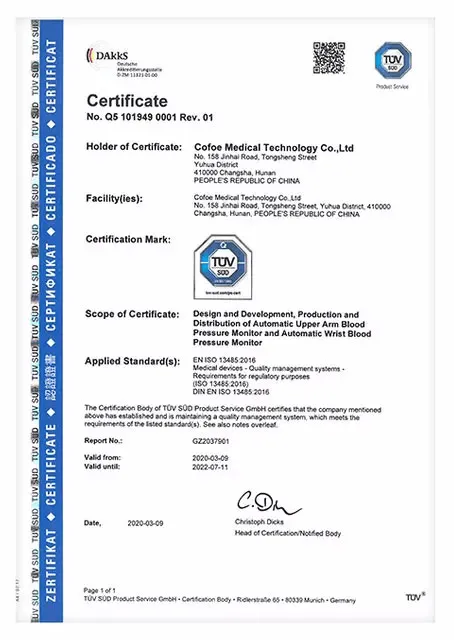
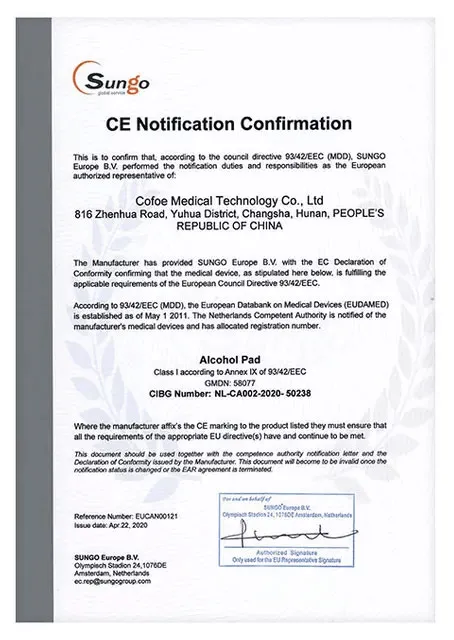
There are 4 global invention patents and over 20 computer software copyrights. We have passed the ISO9001 quality system certification and the National Military Standard Quality Management System 9001c certification.
Our service
Controlling product production and market, timely communicating with customers in case of after-sales issues, and providing solutions. Focus on strategy and target positioning to target specific consumer areas and provide unique needs for the product.
Our product
We have high speed door, overhead sectional door, rolling door, hospital door, folding door and so on.
Types of Automatic Door Motors Used

01
DC motors
DC (Direct Current) motors are commonly used in low-power and battery-operated automatic doors. Operates on direct current and consists of a stator and rotor. High torque, energy-efficient, and relatively easy to control. Residential sliding doors, garage doors, small commercial installations.

02
AC motors
AC (Alternating Current) motors are more common in heavy-duty or high-traffic commercial applications. Runs on alternating current and generally more rugged than DC motors. Durable, cost-effective for long-term use, and simpler design. Shopping malls, airports, large public transit stations.

03
Stepper motors
Stepper motors offer high precision, often used in specialized applications that require accurate positioning. Rotates in discrete step angles, allowing for excellent control without a feedback system. Highly accurate, provides good torque at low speeds.Automatic doors in clean rooms, laboratories, or other precision-based environments.

04
Synchronous motors
Synchronous motors run at a constant speed, making them ideal for applications where consistent operation is crucial. Operates in sync with the supply current frequency, providing constant speed. Energy-efficient, highly reliable, and suitable for high-torque applications. Revolving doors in hotels or corporate buildings.
Motor Selection Criteria of Automatic Door Motor
Power requirements
Choosing the right automatic door motor for an automatic door system is a crucial step, as it directly affects the door’ s performance, safety, and energy efficiency. Understanding the power needs of your automatic door system is the first step in selecting an appropriate automatic door motor. Check the voltage and current specifications to ensure compatibility with your electrical system. Make sure the automatic door motor can handle the weight and size of the door. High-power requirements for large commercial spaces, and low-power for residential applications.
Speed and torque
The speed and torque of a automatic door motor define how fast and how powerfully it can move the door. Higher rpm often means faster door operation but might compromise on torque. Heavier doors require automatic door motors with higher torque. Fast speeds for high-traffic areas like airports, and higher torque for heavy-duty doors in industrial settings.
Efficiency
Automatic door motor efficiency is a measure of how well a automatic door motor converts electrical energy into mechanical energy. Lower consumption is preferable for cost-saving and environmental reasons. Efficient automatic door motors dissipate less heat, extending their lifespan. Green buildings often prioritize highly efficient automatic door motors to minimize energy costs.
Cost
While it may be tempting to opt for the cheapest automatic door motor available, this can often lead to higher maintenance and energy costs in the long run. Weigh the initial investment against the expected lifespan and maintenance costs. Check if the manufacturer offers robust after-sales support and warranty.
The use of the automation to open the door is not just a private operation, but deals with a whole series of situations, both on a private and professional level. Today, the solutions proposed by the market include sliding and hinged gates as well as garage doors, to cover also industrial doors. It is self-evident that motors for different automatic doors should be provided according to type and conditions of use, to address the specific requirements of the situation, both in terms of power and technique. Sliding gates are the most classical solution, since they allow the opening without taking up any space either before or behind the gate. Hinged gates take up more space behind the end position, but are ideal for those who do not have the space allowing the gate to slide sideways. As to garage doors, they can be tilting or sectional, not to take up room while opening (other than in the top part of the building). In an industrial environment, where requirements differ, doors with book-type or sliding opening are proposed.
The system configuration of the automatic door refers to peripheral auxiliary control devices, such as door opening signal sources, access control systems, safety devices, and centralized control, which are equipped with automatic door motors and are equipped according to the requirements of use. Must be based on the characteristics of the use of the building. Through the composition of personnel, the system requirements for building automation, etc. Are reasonably equipped with auxiliary control devices.
The basic composition of the induction automatic door machine is basically the same, with the above composition, coupled with the opening signal, you can configure a simple automatic doors systems. The door opening signal of the automatic door is the contact signal, microwave radar and infrared sensor are two commonly used signal sources. Microwave radar reacts to the displacement of an object, so the response speed is fast. It is suitable for places where normal walking speeds pass through. It is characterized by the fact that once people near the door do not want to go out and stay still, the radar will stop responding. The door will close and have a certain protective effect on the door machine.

The Key Components of an Automatic Door Motor
Motor
The motor serves as the powerhouse of the automatic door motor system. Typically an electric motor, it converts electrical energy into mechanical motion, driving the door panels along their designated tracks. Motors can be ac (alternating current) or dc (direct current), each offering specific advantages in terms of control, efficiency, and reliability.
Drive mechanism
The drive mechanism is responsible for translating the rotational motion of the motor into the linear motion required to move the door panels. Common drive mechanisms include belts, chains, or gears connected to the motor. The choice of drive mechanism influences factors such as speed, noise level, and overall performance.
Control unit
The control unit acts as the brain of the system, receiving inputs from sensors and determining the appropriate response. It houses a logic board that interprets these inputs, dictating the speed, duration, and direction of door movement. The control unit ensures seamless coordination between various components for optimal performance.
Sensors
Sensors play a pivotal role in the automatic door motor system by detecting the presence of individuals or obstacles in the door's path. Common sensor types include motion sensors, infrared sensors, or microwave sensors. The information gathered by these sensors triggers the control unit to initiate the door-opening sequence.
Microprocessor
In modern automatic door motor systems, a microprocessor adds an extra layer of control and adaptability. The microprocessor continuously monitors and adjusts door movements, ensuring optimal performance, responsiveness to sensor inputs, and compliance with safety protocols. It enhances the precision and intelligence of the overall system.
Gear system
Gear systems regulate the motion of the door, converting the rotational force from the motor into the linear motion required for sliding. Different gear configurations, such as worm gears or helical gears, impact factors like noise level, efficiency, and the smoothness of door operation.
Safety features
Automatic door motors are equipped with an array of safety features to prevent accidents. These may include obstacle detection sensors that stop or reverse the door upon detecting an obstruction. Emergency brake systems swiftly bring the door to a stop in case of malfunctions or emergencies, ensuring user safety.
Emergency power supply
To maintain functionality during power outages, automatic door motor systems often include an emergency power supply. This ensures continued access and operation of the doors, especially in critical situations. The emergency power supply is typically designed to provide sufficient power for essential functions.
Manual override mechanism
In situations where manual operation becomes necessary, automatic door motor systems are equipped with a manual override mechanism. This allows individuals to manually open or close the doors, providing a fail-safe option in case of power failure or system malfunction.
Variable speed control
Many automatic door motors offer variable speed control, allowing for smooth and adjustable door movements. This feature is particularly beneficial in high-traffic areas, enabling doors to open quickly for rapid entry or exit and slowing down for more controlled operation during normal usage.
Can Automatic Door Motors Be Customized to Fit Specific Door Sizes and Weights
Versatility in motor power
Automatic door motors come in various power capacities, offering flexibility to accommodate different door sizes and weights. The power of the motor is a crucial factor in determining its ability to handle the load of the door. Motors with higher power ratings are suitable for larger and heavier doors, ensuring optimal performance.
Adaptive drive mechanisms
The drive mechanism is a fundamental aspect of automatic door motors, converting the motor's rotational motion into the linear movement required for door operation. Different drive mechanisms, such as belts, chains, or gears, can be selected based on the specific needs of the door. This adaptability ensures that the motor is customized to suit various door sizes and weights.
Torque output for heavy doors
In cases where doors are particularly heavy, the torque output of the motor becomes paramount. Torque is the rotational force produced by the motor, and selecting a motor with higher torque is essential for effortlessly moving heavy doors. This customization ensures that the motor can handle the resistance posed by larger and weightier door panels.
Programming control systems
Modern automatic sliding door systems are equipped with advanced control systems that can be programmed for customization. These control systems allow for precise adjustments to the motor's behavior, accommodating factors such as door weight, speed, and acceleration. Fine-tuning these parameters ensures optimal performance tailored to specific door characteristics.
Adjustable speed settings
Different door sizes and usage scenarios may require varying speeds of operation. Automatic door motors can be equipped with adjustable speed settings, providing the flexibility to meet the specific requirements of diverse environments. This adaptability ensures that the doors open and close at suitable speeds for different applications.
Dynamic sensor integration
Door sensors play a pivotal role in the safe operation of automatic sliding doors. The integration of dynamic sensors adds an extra layer of customization. These sensors can detect the weight and size of individuals or objects in the door's path, adjusting the motor's response accordingly. This customization enhances safety and prevents collisions.
Adaptable gear systems
The choice of gear systems in automatic door motors contributes to their adaptability. Different gear configurations, such as worm gears or helical gears, impact factors like noise level, efficiency, and the smoothness of door operation. Selecting the appropriate gear system allows for customization tailored to the specific requirements of the door.
Established in Longgang, Shenzhen Special Economic Zone in 2008. Unique geographical environment; Convenient transportation, complete supply chain. After years of unremitting efforts, the company has become a national level high-tech enterprise that integrates research and development, production, and sales. People oriented, customer oriented, united, friendly, and common development. There are over 30 R&D personnel and over 300 employees. There are 4 global invention patents and over 20 computer software copyrights. We have passed the ISO9001 quality system certification and the National Military Standard Quality Management System 9001c certification. More than 30 technical research and development personnel, with over 300 employees. With a factory building of 20000 square meters.

certificates

FAQ
As one of the leading automatic door motor manufacturers and suppliers in China, we warmly welcome you to wholesale automatic door motor made in China here from our factory. All customized products are with high quality and competitive price.